Technical & vocational skills
Support access to relevant practical training and recognised qualifications in trades and occupational areas where demand exists.
The Give Back Foundation Africa specialises in vocational skills training that helps young women build practical capabilities, pursue meaningful work and create more secure futures for themselves and their families.
We work to expand access to practical vocational education for young women and underserved communities. Our approach combines technical training with life skills, financial literacy, leadership and pathways to employment or enterprise.
We believe vocational education is most powerful when it connects a learner's ambition to real opportunities in the economy.
“When youth acquire relevant, industry-aligned technical skills, they gain access to dignified work, higher earnings and entrepreneurial opportunities.”— A guiding principle for our Skills-to-Jobs approach
Young people need more than a certificate. They need foundational learning, practical training, access to equipment, digital connectivity and a bridge between education and employers.
young Africans enter the job market, while formal opportunities remain scarce.
of youth are estimated to be not in education, employment or training.
of 10-year-olds in Sub-Saharan Africa are estimated to be unable to read and understand a simple text.
Context figures supplied for this website brief. Before publication, verify the precise definitions, date and source for each statistic. Foundational learning affects the entire skills pipeline, while employer-led training can help connect learning to opportunities.
Skills also matter for infrastructure. Efforts such as Mission 300 underline the need for skilled workers across the energy value chain as African countries expand electricity access.
We focus on the whole journey: helping learners access training, complete it with confidence and use their skills to build a livelihood.
Support access to relevant practical training and recognised qualifications in trades and occupational areas where demand exists.
Help learners explore viable microbusinesses, from dressmaking and beauty services to other locally relevant trades.
Build everyday digital confidence, money-management skills and the business knowledge needed to plan for the future.
Strengthen confidence, communication, leadership and decision-making as learners move into work and adult life.
Work toward stronger links with employers, training providers and industry so skills respond to real opportunities.
Promote apprenticeships, work placements, career guidance and entrepreneurship as routes to dignified livelihoods.
We are working toward a model that can be measured, improved and replicated with training institutions, employers, public agencies and development partners.
Engage employers and communities to identify relevant skills and realistic work opportunities.
Connect learners to practical training, qualifications, foundational support and life skills.
Build links to apprenticeships, job opportunities, customers, mentors and enterprise support.
Follow completion, employment, income and enterprise progress to improve programme quality.
The women featured below were profiled in our Accra vocational training programme materials for 2021/2022. Their aspirations show why access to skills and opportunity matters.
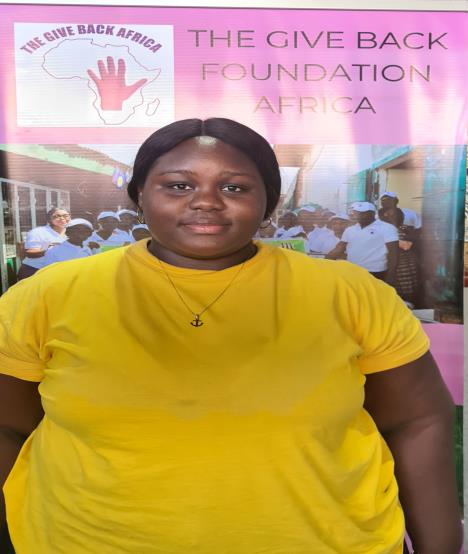
Aspires to become a marketing director.
She wants to build a career with an international company and show her son that anything is possible.
Aspires to open a dressmaking business.
She wants a dressmaking qualification that will help her care for her daughters and build a business of her own.
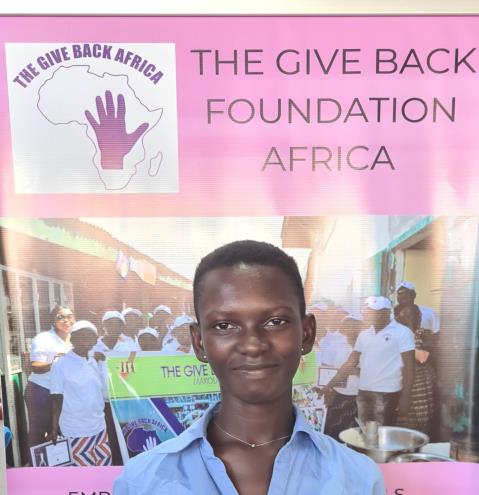
Aspires to become an engineer.
Her ambition is to earn a welding certification and create a more secure future for her son.
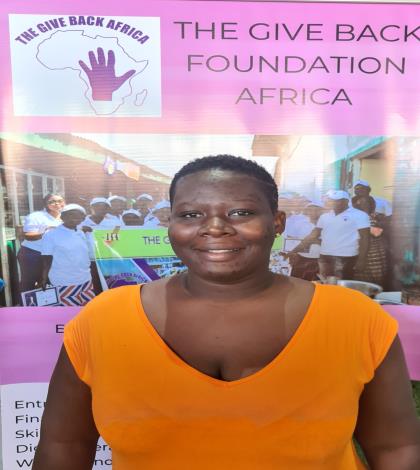
Aspires to become a hospitality manager.
She wants to gain a qualification in hospitality and tourism and use it to improve her child's future.
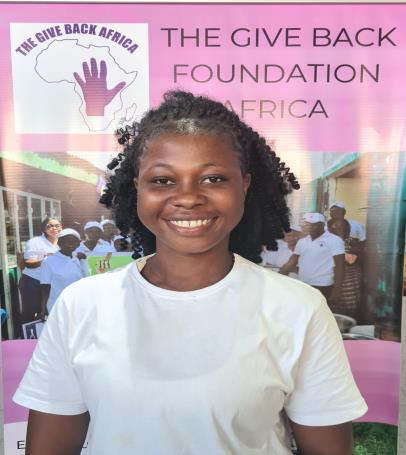
Aspires to own a cosmetics company.
With training in cosmetology, she hopes to build a successful cosmetics business.
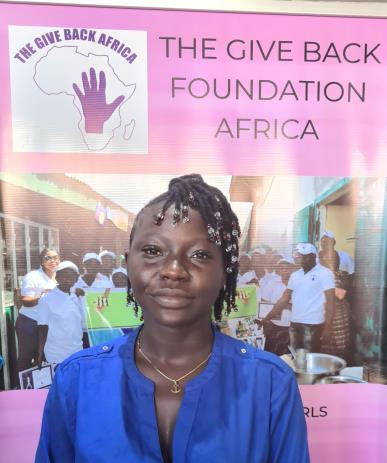
Aspires to become a successful hairdresser.
She hopes to open a hair shop and teach hairdressing to other girls in her community.
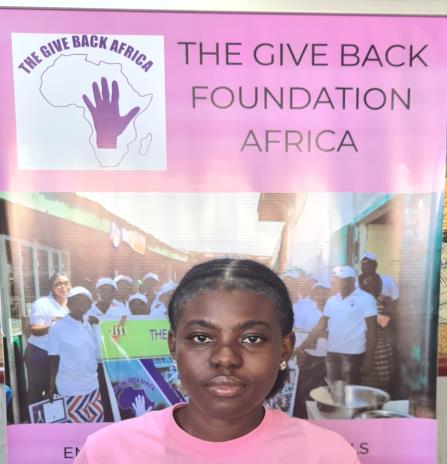
Aspires to become a qualified kindergarten teacher.
She wants to earn a professional qualification and continue developing her work in early childhood education.
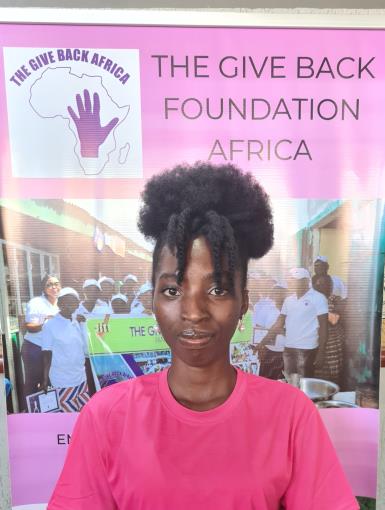
Aspires to own a hair salon.
She wants to build a successful hairdressing business and provide for her son.
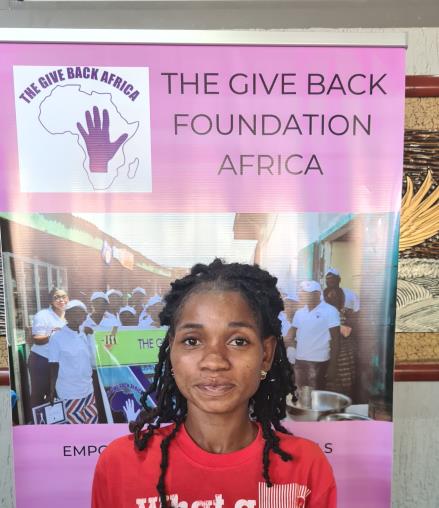
Aspires to become a professional teacher.
She wants to build a career in teaching and be a positive role model for her son.
Stories and aspirations are adapted from the foundation's supplied 2021/2022 profile document. Photos and personal stories should only be published publicly after appropriate informed consent has been confirmed, especially where a participant was under 18 at the time of the profile.
System-level change takes time, but focused partnerships between firms and training providers in sectors where demand exists can create early results and momentum.
We welcome conversations with employers, accredited training providers, philanthropies, public institutions and development partners who share a commitment to practical skills and dignified work.
• Industry-informed curricula and equipment
• Apprenticeships, placements and job pathways
• Scholarships and learner support
• Digital, financial and entrepreneurship skills
• Monitoring, evaluation and evidence of impact
Start a partnership conversation →Your support can help remove barriers to vocational training and help learners take the next step toward qualifications, work and enterprise.
Contact The Give Back Foundation Africa to discuss sponsorship, vocational training partnerships, employer engagement or support for our learners.